 ▶LESSON 01
UN warnings over Mozambique's displacement crisis
Follow a report about displacement, security and the humanitarian situation in northern Mozambique.
Progress0%
 METICVideo English
A METIC LEARNING ECOSYSTEM
Go beyond watching. Follow synchronized captions, replay every phrase, practise dictation and build vocabulary from real-world English.
VIDEO LIBRARY
Start with either report and return whenever you want. Your progress is saved privately in this browser.
▶LESSON 01
Follow a report about displacement, security and the humanitarian situation in northern Mozambique.
 ▶LESSON 02
Listen to displaced families describe camp conditions, daily challenges and their hopes for safety.
 ▶LESSON 03
Explore the history, legacy and continuing importance of South Africa's Women's March.
 ▶LESSON 04
Practise names, pronunciation, classroom expressions and fast conversational English through comedy.
 ▶LESSON 05
Practise persuasion, commands, questions and fast conversational English through comedy.
 ▶LESSON 06
Study fast dialogue and implied meaning in a historical satire with sensitive subject matter.
 ▶LESSON 07
Practise family language, reactions and conversational timing during a difficult attempt to connect.
 ▶LESSON 08
Practise storytelling, interruptions, reactions and comic timing in a fast group conversation.
 ▶LESSON 09
Listen for workplace language, excuses, questions and growing suspicion in a comic office conversation.
 ▶LESSON 10
Practise invitations, excuses, negotiation and everyday friendship language in a familiar situation.
 ▶LESSON 11
Practise warnings, instructions, questions and comic reactions in a fast street conversation.
 ▶LESSON 12
Practise critical listening and argumentative language. Contains sensitive historical and political subject matter.
 ▶LESSON 13
Learn adjectives and phrases such as remote, secluded, out of the way and the middle of nowhere.
 ▶LESSON 14
Expand your descriptive vocabulary for cities, landscapes and locations through clear examples.
 ▶LESSON 15
Learn practical phrases for mountains, valleys, forests, coastlines and natural scenery.
 ▶LESSON 16
Learn greetings, names, origins, small talk, work and hobbies for natural social introductions.
 ▶LESSON 17
Build a confident professional introduction for work, meetings and networking opportunities.
 ▶LESSON 18
Learn useful adjectives and conversational questions for describing people’s personalities naturally.
 ▶LESSON 19
Learn words for grandparents, aunts, uncles, cousins, ancestors and wider family relationships.
 ▶LESSON 20
Follow transfer analysis while learning football, defence, injury and negotiation vocabulary.
 ▶LESSON 21
Follow a detailed discussion about FIFA, UEFA and a potential conflict in international football.
 ▶LESSON 22
Follow the account of a decades-old parental kidnapping case and the arrest that brought it back into the news.
 ▶LESSON 23
Practise everyday conversation, classroom expressions and misunderstandings through a classic comedy scene.
 ▶LESSON 24
Practise sizes, styles, prices and useful questions for shopping for clothes.
 ▶LESSON 25
Learn practical words and phrases for describing rooms, furniture and where you live.
 ▶LESSON 26
Practise present-simple language for everyday routines, schedules and regular activities.
 ▶LESSON 27
Learn how to ask for directions and explain routes using clear location language.
 ▶LESSON 28
Practise present-continuous questions and answers for activities happening now.
 ▶LESSON 29
Express preferences naturally and ask other people about the things they enjoy.
 ▶LESSON 30
Build everyday weather vocabulary and describe conditions where you are.
 ▶LESSON 31
Learn adjectives and conversational phrases for explaining how you feel.
 ▶LESSON 32
Use frequency expressions to discuss habits and how often you do things.
 ▶LESSON 33
Practise past-simple questions and answers while discussing your weekend.
 ▶LESSON 34
Learn clear vocabulary for describing people’s appearance and physical features.
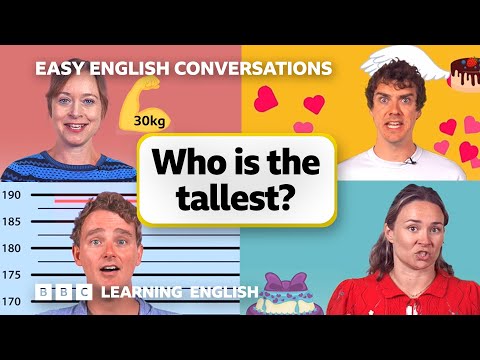 ▶LESSON 35
Practise comparative and superlative forms through accessible conversations.
 ▶LESSON 36
Learn to ask for the time and say different times naturally in English.
 ▶LESSON 37
Discuss the advantages and disadvantages of living in a city.
 ▶LESSON 38
Build practical workplace vocabulary for arranging and attending meetings.
 ▶LESSON 39
Learn natural expressions for admitting mistakes and explaining what went wrong.
 ▶LESSON 40
Practise describing trips, leisure activities and enjoyable days away.
 ▶LESSON 41
Discuss teachers, learning experiences and classroom memories.
 ▶LESSON 42
Discuss career ambitions, ideal work and professional goals.
 ▶LESSON 43
Learn everyday vocabulary for hairstyles, haircuts and appearance.
 ▶LESSON 44
Discuss rubbish, recycling and everyday objects people discard.
 ▶LESSON 45
Build family vocabulary while discussing siblings and relationships.
 ▶LESSON 46
Practise future plans and intentions through summer activities.
 ▶LESSON 47
Learn practical vocabulary for offices, colleagues and working routines.
 ▶LESSON 48
Learn expressions for keeping, sharing and discovering secrets.
 ▶LESSON 49
Express concerns naturally and reassure someone who feels worried.
 ▶LESSON 50
Discuss lunchtime habits, favourite meals and food choices.
 ▶LESSON 51
Practise vocabulary for shared homes and living with other people.
 ▶LESSON 52
Discuss confidence, nervousness and feeling capable.
 ▶LESSON 53
Build practical vocabulary for buses, trains, journeys and commuting.
 ▶LESSON 54
Practise contrast, emphasis and the expression “the bigger picture”.
 ▶LESSON 55
Learn language for disagreement, questions and reflection through a humorous story.
 ▶LESSON 56
Build everyday vocabulary through a short story about getting a haircut.
 ▶LESSON 57
Practise listening to an opinion supported with comparisons and examples.
 ▶LESSON 58
Study metaphor, humour and persuasive spoken English.
 ▶LESSON 59
Practise fast listening, storytelling and punchline comprehension.
 ▶LESSON 60
Learn occupational vocabulary and follow a humorous comparison.
 ▶LESSON 61
Practise personal-experience, emphasis and cause-and-effect language.
 ▶LESSON 62
Learn vocabulary for identity, labels and belonging through metaphor.
 ▶LESSON 63
Practise workplace vocabulary and confident presentation language.
 ▶LESSON 64
Build food vocabulary and cultural listening through a fast humorous story.
 ▶LESSON 65
Discuss how people react to hearing 'no' and learn useful vocabulary about feelings and rejection.
 ▶LESSON 66
Learn how diet affects sleep and practise vocabulary about health, food and rest.
 ▶LESSON 67
Listen to a real conversation about autumn and practise describing seasons and the weather.
 ▶LESSON 68
Practise describing good and bad moods and what changes how you feel.
 ▶LESSON 69
Explore changing drinking habits in Britain and learn vocabulary about culture and lifestyle.
 ▶LESSON 70
Find out why gold matters and learn vocabulary about money, value and the economy.
 ▶LESSON 71
Practise talking about flying, airports and the stress of travelling.
 ▶LESSON 72
Describe famous landmarks and places you would like to visit.
 ▶LESSON 73
Listen to Neil's story about a hard summer job in Canada and practise talking about past jobs.
 ▶LESSON 74
Compare watching films at home and at the cinema and give your own opinion.
 ▶LESSON 75
Practise describing places you have visited and places you want to see.
 ▶LESSON 76
Talk about meeting friends, going out and spending time with other people.
 ▶LESSON 77
Practise talking about board games, card games and the games you enjoy.
 ▶LESSON 78
Share memories of school and practise vocabulary about subjects and classes.
 ▶LESSON 79
Practise talking about future plans and what you will do at the weekend.
 ▶LESSON 80
Talk about New Year celebrations, traditions and resolutions.
 ▶LESSON 81
Look back on the past year and practise talking about highlights and changes.
 ▶LESSON 82
Practise describing tidy and messy habits at home.
Try another search or filter.
A SIMPLE STUDY RHYTHM
Play the report once and focus on its main message.
Replay difficult phrases and follow the synchronized transcript.
Use dictation mode and save useful vocabulary.